
- 14 July, 2025
- Written by Digibionic India
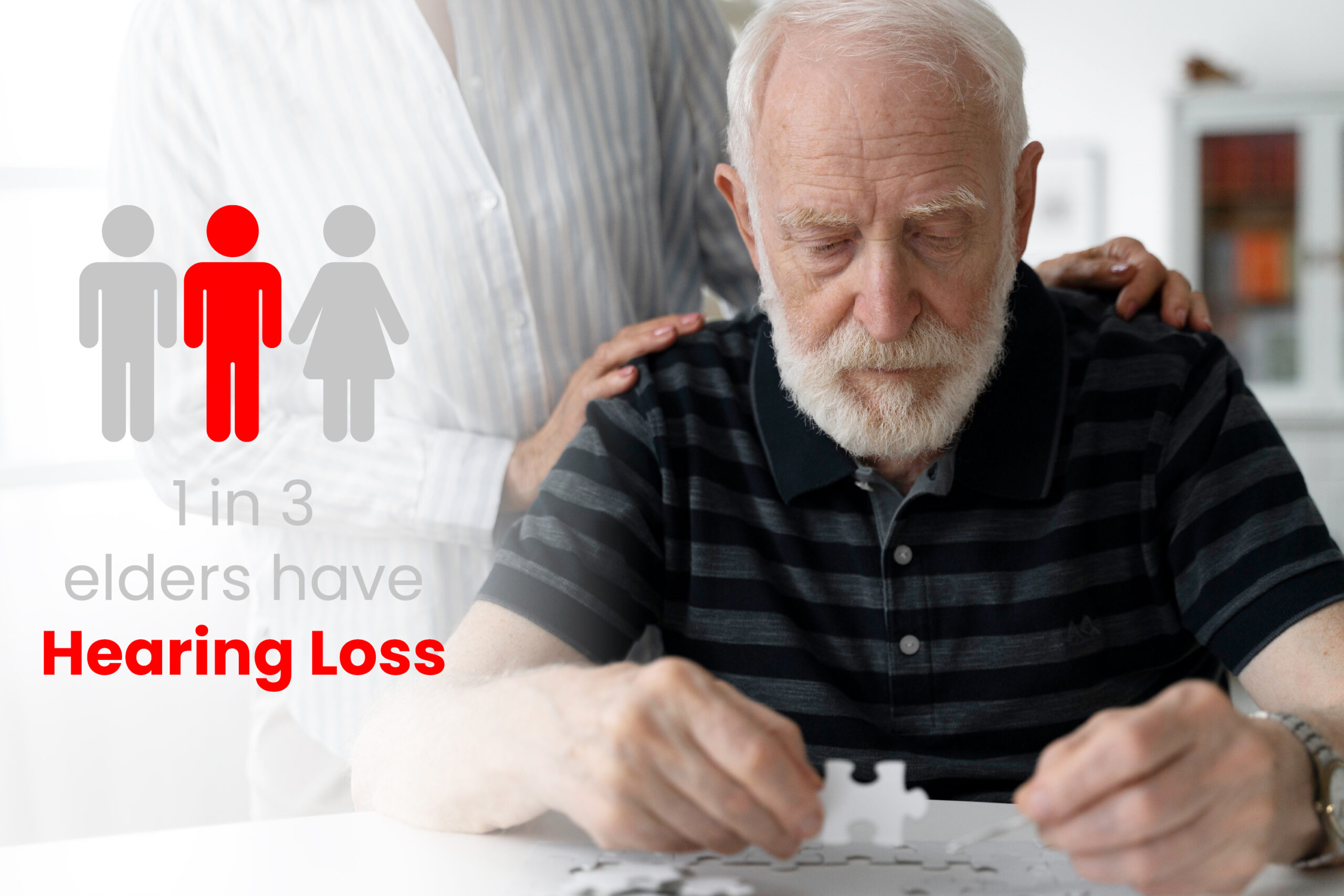
Age-related hearing loss, medically called presbycusis, refers to the gradual loss of hearing in both ears as people grow older. It is very common: about 1 in 3 adults between ages 65 and 74 have trouble hearing, and nearly half of those over 75 do too. Presbycusis usually happens slowly over many years. Early on, high-pitched sounds (like a phone ringing or birds chirping) become hard to hear, even though normal conversation may still be understood. In Tamil, we often say “முதியவர்களின் கேள்விச் சீரழிவு” – it literally means the hearing decline of elders. It is a normal part of aging but can start subtly in the 50s or 60s and gradually worsen with time.
Symptoms of Age-Related Hearing Loss
Presbycusis often sneaks up on people. Early on, loved ones may notice an elder frequently asking “மறுபடி சொல்லுங்க – could you say that again?” or complaining that “செவி சரியில்லையே” (my ears aren’t hearing well).
Common symptoms include:
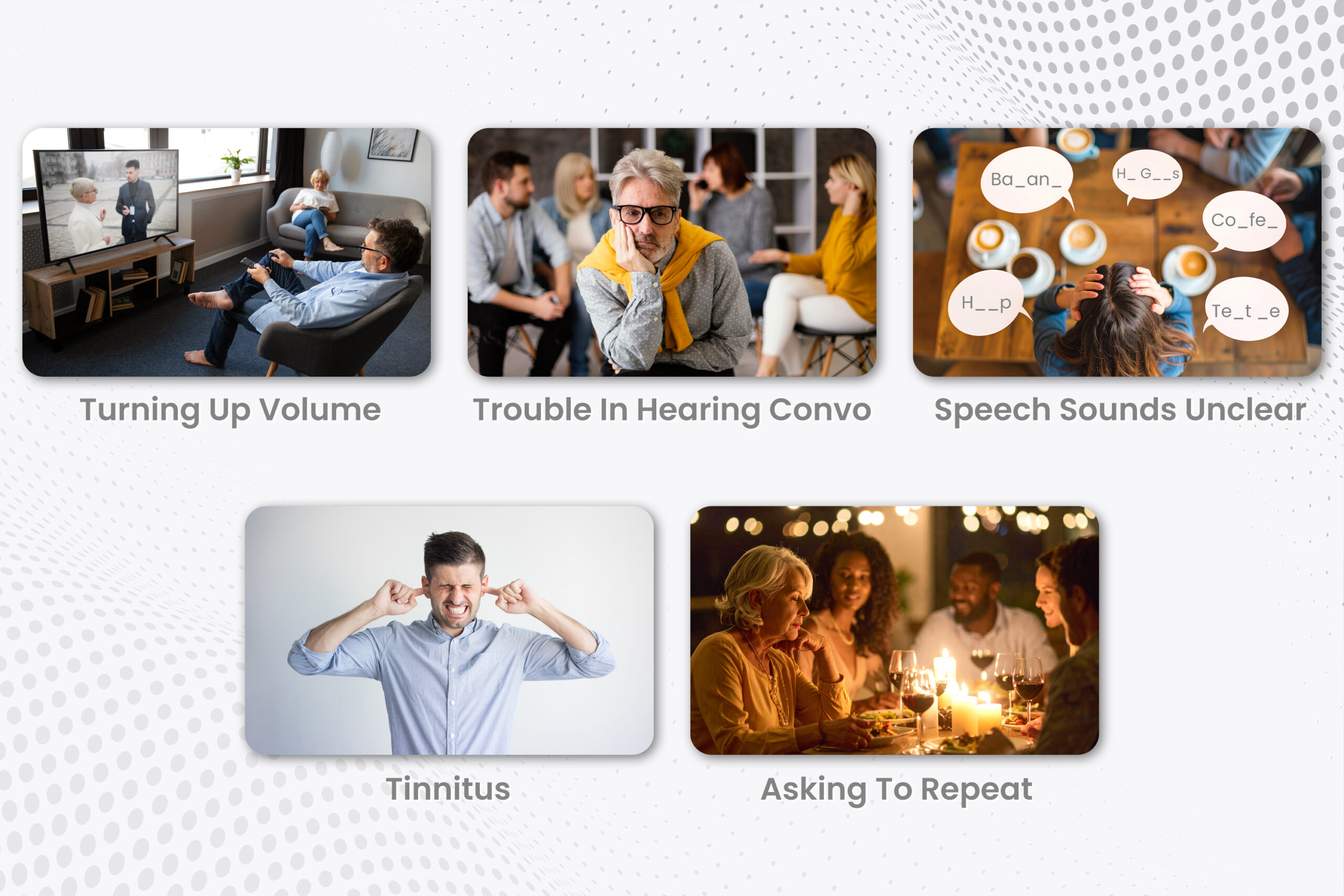
- Difficulty with high-pitched sounds. Older adults may not hear bird calls, doorbells, phone rings or alarms as clearly as before. High tones (like children’s or women’s voices) seem muffled.
- Turning up volume. Needing the TV, radio or phone volume much louder than others. Many patients “always need to increase the volume” on devices.
- Trouble in background noise. Conversations at family gatherings or restaurants become hard. If it’s noisy, speech seems jumbled and confusing.
- Speech sounds unclear. Others’ words may sound slurred or incomplete, especially “s,” “th” or “sh” sounds. People might mishear phrases or think the speaker is mumbling.
- Ringing in the ears. Many develop இந்து விரல் (tinnitus) – a ringing, buzzing or whistling sound, often worse at bedtime.
- Asking to repeat. Frequently saying “என்ன…?” or “மறுபடியும் சொல்லுங்க” is a red flag. If elders are always nodding but missing details, check their hearing.
If these signs appear in your family, it’s wise to get a hearing check. Early-stage presbycusis is மெனக்கேட்டல் (often subtle), so seniors and family members may not realize the loss until it impacts daily life.
Causes and Risk Factors
Presbycusis is mainly due to age-related changes in the inner ear. Over the years, tiny sensory cells (hair cells) in the cochlea (இளமங்கை நரம்பு குடல்) gradually die or become damaged. The auditory nerve fibers may also degenerate. These changes make it harder for sound vibrations to be converted into nerve signals to the brain.
Key contributors include:
- Natural aging of the inner ear. Just as muscles weaken with age, the hair cells of the inner ear deteriorate with time. This loss of “sensory” cells is the hallmark of presbycusis.
- Long-term noise exposure. Years of exposure to loud sounds (industrial noise, loud music, traffic, temple drums or festival fireworks) can accelerate hearing decline. Studies show people with noise-induced hearing loss often develop worse presbycusis later. (In Chennai, be mindful of சண்டியன் வெடிக்குண்டுகள், loud temple horns, or மாவீரன் பார்வை rockets during festivals.)
- Genetics and family history. Age-related hearing loss often runs in families. If parents or grandparents experienced early hearing loss, descendants have higher risk.
- Health conditions. Chronic diseases can harm hearing. Common risk factors include high blood pressure, diabetes, heart disease, and stroke. Poor blood flow and nerve damage from these illnesses can affect the inner ear.
- Smoking and ototoxic substances. Tobacco use and certain drugs (like some antibiotics, chemotherapy, high-dose aspirin) are toxic to the ear (otosclerosis/ototoxicity). They can worsen age-related loss.
- Other factors. Being of Caucasian ethnicity, low income, or having repeated ear infections can also increase risk.
In summary, வயதான உடல் மாற்றங்கள் combined with lifestyle and health factors cause presbycusis. It’s not just “getting old” in general, but the sum of life’s exposures and conditions.

When and How to Get Diagnosed
If you suspect hearing loss, start with a medical checkup. A முதல்நிலை மருத்துவர் (primary care doctor) or an ENT specialist will examine the ears for simple causes (earwax, infection, eardrum issues). They use an otoscope – a lighted magnifier – to look inside the ear canal and eardrum.
- Otoscope exam. The doctor checks for wax buildup, middle-ear fluid, or other problems that could cause temporary hearing loss. If present, these are treated first.
- Hearing test (audiogram). You’ll likely be referred to an audiologist. In a soundproof booth, you wear headphones and listen to tones and speech at different pitches and volumes. The audiologist measures the quietest sounds you can hear at each frequency. This produces an audiogram that confirms hearing loss and its severity.
Hearing tests also distinguish sensorineural loss (inner ear/nerve problem, like presbycusis) from conductive loss (middle ear issues). Presbycusis shows reduced sensitivity especially at higher frequencies. If other causes are ruled out and the pattern matches age-related loss, a diagnosis of presbycusis is made.
During an exam, a doctor or audiologist inspects the ear with an otoscope and measures hearing thresholds. These tests help identify presbycusis. Family members in Chennai might accompany elders for these check-ups, ensuring good communication during the exam.
Impact on Life and Well-being
Untreated hearing loss can affect safety, communication and emotional health. For instance, not hearing தொடர் அறிவிப்புகள் (public announcements), doorbells, fire alarms or mobile alerts can be dangerous. Hearing loss also means missing instructions from doctors or not understanding warnings, which is common among older adults.
Socially, presbycusis can cause தனிமை மற்றும் மன அழுத்தம் (isolation and stress). When seniors struggle to follow conversations, they may withdraw from family gatherings or stop attending temple festivals, feeling frustrated or embarrassed. Studies link untreated hearing loss to loneliness, anxiety and even depression. One source warns that presbycusis “does more than take away your ability to hear” – it can make people anxious about socializing and greatly increase the risk of isolation and mood disorders.
In Tamil culture, where multi-generational families are common, communication barriers can cause tension. A grandmother may think her grandchildren “நாக்கு கொண்டாலும் பேச முடியாது” (no matter how much she mouths, she can’t participate in lively talk). Likewise, a grandfather might silently agree to outings but actually avoid them due to hearing strain. It’s important to recognize these signs as hearing issues, not personal disinterest.
Treatment and Hearing Solutions
While presbycusis itself has no medical cure, many அறுவைசிகிச்சை அல்லாத (non-surgical) options dramatically improve hearing:
- Hearing aids (கேள்விச் செவிநலன்). These small electronic devices are the mainstay treatment. Modern hearing aids sit inside or behind the ear and amplify sounds tailored to your hearing loss. Recent advances (digital, noise-cancellation, rechargeable batteries) make them very effective. You may choose traditional prescription hearing aids fitted by an audiologist, or the new OTC hearing aids now available without prescription. No matter which, hearing aids won’t “cure” hearing loss, but they make everyday sounds louder and clearer.
- Assistive listening devices. In addition to hearing aids, many tools can help. There are TV listening systems, phone amplifiers, and special microphones that stream directly to hearing aids or headphones. For example, Bluetooth-enabled headphones or loops in auditoriums help pick up a speaker’s voice in a crowd. Even a smartphone app can amplify speech or provide live captions. In the image above, the elderly woman uses wireless headphones synced to her phone – a practical solution if she finds hearing aids uncomfortable or wants extra assistance.
- Cochlear implants. For very severe hearing loss, small implanted devices can bypass damaged inner-ear cells and send sound signals to the brain. This is less common for age-related loss but may be considered if hearing aids are insufficient.
- Communication strategies. Audiologists often teach lip reading and listening strategies. Simply facing the speaker, reducing background noise, and asking people to speak clearly can help. Speech therapy or group classes (e.g., at senior centers) may also train the brain to interpret sounds better.
- Ear care and treatment of coexisting issues. Regular cleaning of earwax and prompt treatment of ear infections ensure that treatable problems don’t worsen hearing. Controlling diabetes or high blood pressure can also slow further hearing damage.
List of Common Interventions:
- Hearing evaluation by a professional – get it done even if you’re unsure. Early detection helps.
- Hearing aid fitting – tailor devices to your type of hearing loss. Most audiology centers (like Digibionic Hearing Center) offer trials and programming.
- Assistive devices – use phones, TVs, or listening loop systems with amplifiers or captioning.
- Communication tips – turn faces, reduce noise, ask for clarification. Family support is key.
Prevention and Healthy Hearing Habits
While you can’t stop aging, you can protect your ears from further damage:
- Avoid loud noise. Limit exposure to loud music, machinery, or traffic. When attending temple festivals, concerts or playing drums (like during Navaratri), wear earplugs or earmuffs. Encourage younger family members to lower the TV or phone volume – what’s comfortable for youth may be too loud for aging ears.
- Moderate listening volume. Follow the “60/60 rule”: listen at no more than 60% volume for no more than 60 minutes at a stretch on headphones.
- Quit smoking. Tobacco constricts blood vessels, including those in the ear, increasing hearing loss risk.
- Manage health. Control diabetes, blood pressure and cholesterol. Good overall cardiovascular health helps maintain ear circulation.
- Regular check-ups. Even if hearing seems fine, consider a baseline hearing test after age 50, and repeat every few years. In Chennai, government health camps or senior wellness programs sometimes offer free screenings. Early intervention prevents isolation later.
நூறு வயது ஜீரணப் புரோகிராமாக இருக்காமலும், சிறு உச்சத்தில் இசை கேட்பதும் கேள்விச் செலகம்படுத்த உதவும். As the Hopkins source advises, “Protect your hearing” by treating ear infections quickly and avoiding noisy situations. A simple Tamil proverb might be: “முதுகலுக்கு வயது வந்தாலும் விழிவராது” – even if the back is stiff with age, we must keep our senses active and attended to.
Living with Hearing Loss – Family and Community Support
Presbycusis is a family issue as much as an individual one. Family members in Chennai often notice elders “zoning out” during conversations or shouting at TV. Open, respectful communication helps:
- Inform others: Tell relatives and friends about the hearing loss. Explain that repeating or speaking clearly makes a big difference. (For example, instruct visiting relatives: “அப்பா காது சரியல்ல, நம்மே பேசிடுங்க.”)
- Face to face: Encourage people to speak while facing the elder. Seeing lip movements and expressions greatly aids understanding.
- Reduce background noise: In meetings or during meals, turn off music or TV. Pick a quiet spot so சொல் (conversation) doesn’t compete with kitchen or street noise.
- Be patient: Hearing loss can be frustrating. Family members should allow extra time for listening, and avoid answering for the elder or saying “உன்னாலே கேள்விப்பா” (“because of you he didn’t hear”). Instead, gently repeat key points.
- Join support groups: Some cities have community groups or hospital classes for the hearing-impaired. Sharing experiences can reduce isolation. Even watching Tamil movies with subtitles can help.
Moreover, include hearing-impaired elders in decisions. In Tamil tradition, elders’ guidance is valued; help them stay engaged by ensuring they can hear in family pujas, board meetings, or while teaching grandchildren.
Digital hearing aids (like the behind-the-ear model shown) can restore much of hearing ability. Early adoption often means elders remain socially active and mentally sharp.
Chennai Context and Cultural Notes
In Chennai, respecting elders and family bonds is crucial. Hearing loss can subtly strain these relationships. For instance, in rural areas or joint-family homes, elders often join conversations or listen to radio/sermons. If an elder says “சின்னக்குள் என்ன சொல்றீங்க?” repeatedly, family members should realize it’s a call for support, not stubbornness.
Tamil cinema has even touched on this theme. In the comedy Chinna Vathiyar (1995), a character’s hearing impairment leads to humorous misunderstandings. While the film uses it for laughs, it shows how being hard of hearing can change interactions. In real life, rather than laugh it off, we should pay attention.
Local Study: A rural Chennai survey found that hearing problems rise sharply after age 60. Only about 1.5% of young adults reported difficulty, but this jumped to over 11% among the elderly. The vast majority of those in the study attributed their hearing loss to “advanced age or non-specific causes” (presbycusis). This highlights that presbycusis is widespread in our villages and cities alike.
Finally, family caregivers should remember the psychological impact. Loss of hearing in later years has been linked to depression and even cognitive decline. Encouraging seniors to use hearing aids and social tools can keep the brain engaged. For example, hearing favourite old Tamil songs or listening to devotional music through comfortable headphones can brighten their days.
Conclusion
Presbycusis is a normal part of aging, but it doesn’t have to be ignored. Early awareness, regular hearing checks, and embracing solutions (from simple communication tips to modern hearing aids) can greatly improve an elder’s quality of life. Tamil families who understand presbycusis can keep their elders connected in conversations and traditions, rather than sidelined by silence.
If you or a loved one notice signs of hearing loss, consult a qualified audiologist. Centres like Digibionic Hearing Center in Chennai specialize in diagnosing and fitting hearing devices for all ages. Keeping elders கேள்விக்குறை (hearing loss) at bay helps them stay joyful participants in family life. As the saying goes, “காதால் கேட்காதவன் வாழமுடியுமா?” – without the sense of hearing, life’s music is incomplete.